

Gabapentin Dementia Lawsuit Overview
Gabapentin lawsuits are being pursued against Pfizer and other pharmaceutical companies involving allegations that medical providers and consumer were not adequately warned about the potential risk of dementia, Alzheimer’s disease and other serious cognitive problems associated with prolonged use of the medication.
Originally approved by the FDA to treat certain seizure disorders and a specific type of nerve pain, known as postherpetic neuralgia, gabapentin has become widely prescribed off-label for other forms of chronic back pain, fibromyalgia and conditions, often requiring individuals to take the medication regularly for months or years.
Although cognitive impairment and dementia are more commonly associated with older adults, recent research has raised concerns about the risks among younger individuals prescribed gabapentin.
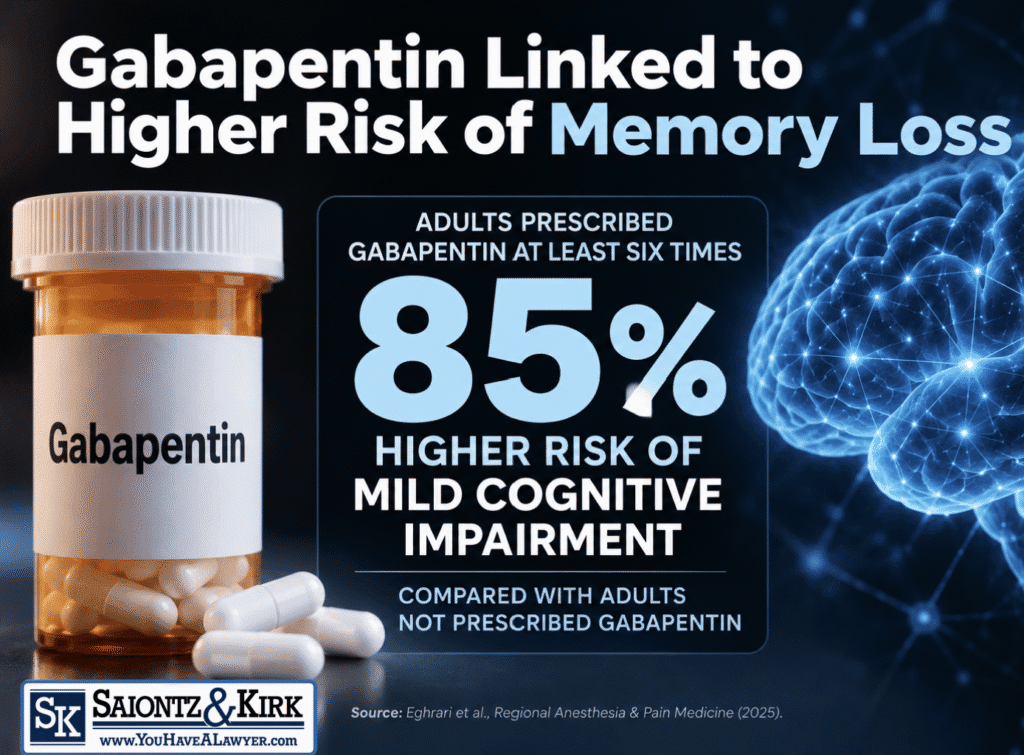
Recent research has found that adults receiving six or more gabapentin prescriptions had an 85% higher risk of mild cognitive impairment, compared with those who were not prescribed the medication.
Gabapentin lawsuits allege that manufacturers knew or should have known about these potential memory loss risks associated with prolonged use, yet failed to adequately investigate these dangers or provide doctors and consumers with sufficient warnings about the potential for serious cognitive injuries.
What Drugs Are Involved in the Gabapentin Lawsuits?
Saiontz & Kirk is investigating potential dementia and cognitive impairment claims involving gabapentin, including brand-name formulations and other closely related medications, including:
- Neurontin: Pfizer’s brand-name gabapentin, FDA-approved to treat certain epileptic seizures and nerve pain following shingles.
- Lyrica (Pregabalin): Pfizer’s related prescription medication used to treat fibromyalgia, diabetic nerve pain, shingles-related nerve pain, certain seizures and nerve pain associated with spinal cord injuries.
- Gralise: An extended-release gabapentin medication marketed by Almatica Pharma for treating shingles-related nerve pain.
- Horizant: An extended-release medication containing gabapentin enacarbil, which converts into gabapentin in the body and is prescribed for restless legs syndrome and shingles-related nerve pain.
- Relgaabi: An immediate-release gabapentin medication used to treat certain seizures and nerve pain following shingles.
- Gabarone: A former brand-name gabapentin product used to treat seizures and nerve pain.
- Generic Gabapentin: Widely prescribed versions of gabapentin manufactured by various pharmaceutical companies for seizures, nerve pain and other conditions.
Although Lyrica does not contain gabapentin, the two medications are closely related and have been examined together in research involving dementia and cognitive decline.
Who Can File a Gabapentin Lawsuit?
Financial compensation may be available for individuals who developed serious cognitive injuries after taking gabapentin, Neurontin or Lyrica, including:
- Dementia
- Early-Onset Dementia
- Alzheimer’s Disease
- Mild Cognitive Impairment (MCI)
- Severe Memory Loss and Cognitive Decline
If you or a loved one developed dementia, Alzheimer’s disease or other serious cognitive problems after taking gabapentin, you may qualify for financial compensation. Contact our gabapentin lawsuit lawyers today for a free case evaluation.

2026 Gabapentin Lawsuit Status
As of late 2026, the first gabapentin lawsuits are being filed in courts throughout the U.S., each involving similar allegations that the prescription medication caused former users to develop early on-set dementia, Alzheimer’s disease or other serious cognitive injuries, particularly among individuals who received repeated prescriptions over extended periods.
The lawsuits allege that manufacturers knew or should have known about the potential neurological risks associated with long-term gabapentin use, but failed to adequately investigate those dangers or provide sufficient warnings to doctors and consumers.
Despite research raising concerns about the medication’s effects on memory and brain function, manufacturers allegedly continued promoting gabapentin for chronic pain and other conditions without updating prescribing information to address the potential risk of dementia and cognitive impairment.
It is widely expected that thousands of claims will be brought throughout the remainder of 2026 and early 2027, but the litigation remains in the early stages. Updates on the latest gabapentin lawsuits status will be added to this page as the cases move forward.
Gabapentin Lawsuit Info On This Page
What is Gabapentin?
Can Gabapentin Cause Memory Problems?
Gabapentin Memory Loss and Cognitive Decline
Gabapentin Dementia Risks
Gabapentin Alzheimer’s Disease Risk
Lyrica Dementia Side Effects
Other Gabapentin Side Effects
Gabapentin Lawsuit Allegations
Gabapentin Lawsuit Settlement and Compensation
How to File a Gabapentin Lawsuit
Are There Any Costs to Hire a Gabapentin Lawyer?
Gabapentin Lawsuit FAQs
What Are Gabapentin and Lyrica?
Gabapentin and Lyrica (pregabalin) are closely related prescription medications used to treat seizures, nerve pain and other chronic conditions. Both drugs affect how nerve cells transmit signals through the central nervous system, helping control certain seizure disorders and reduce the transmission of pain signals.
Gabapentin was first approved by the U.S. Food and Drug Administration (FDA) in 1993 under the brand name Neurontin. Its approved uses were expanded in 2002 to include postherpetic neuralgia, a type of nerve pain that can persist after shingles.
Lyrica, which contains the active ingredient pregabalin, received FDA approval in 2004. Although it works similarly to gabapentin, Lyrica is a different medication with its own dosing requirements and a broader range of FDA-approved uses for nerve pain.
Over time, both medications have become widely prescribed off-label, meaning doctors prescribe them for conditions that have not received specific FDA approval for that drug. These uses include chronic back pain, anxiety, sleep disturbances and other conditions, sometimes requiring regular treatment over months or years.
Recent medical research has raised concerns about whether prolonged exposure to gabapentin or pregabalin may be associated with dementia, memory loss and other serious cognitive injuries.
What Are Gabapentin and Lyrica Prescribed For?
Although gabapentin and Lyrica are prescribed for many similar conditions, there are important differences between their FDA-approved uses and the conditions doctors commonly treat off-label.
An FDA-approved use means federal regulators have reviewed evidence supporting a medication’s safety and effectiveness for a specific condition. An off-label use involves prescribing the medication for a condition, patient population or treatment regimen outside its approved labeling.
Doctors can legally prescribe medications off-label when they believe treatment is appropriate, but those uses have not received the same FDA approval for that particular drug.
FDA-Approved Uses of Gabapentin and Lyrica
- Postherpetic Neuralgia: Persistent nerve pain following shingles. Both gabapentin and Lyrica are FDA-approved for this condition.
- Partial-Onset Seizures: Certain epileptic seizures for which gabapentin or Lyrica may be prescribed as an adjunctive therapy alongside other anti-seizure medications.
- Diabetic Peripheral Neuropathy: Burning, tingling and painful nerve damage associated with diabetes. Lyrica is FDA-approved, while conventional gabapentin is prescribed off-label.
- Fibromyalgia: Widespread chronic pain and related symptoms. Lyrica is FDA-approved, while gabapentin is prescribed off-label.
- Spinal Cord Injury Nerve Pain: Neuropathic pain resulting from damage to the spinal cord. Lyrica is FDA-approved, while gabapentin is prescribed off-label.
- Restless Legs Syndrome (RLS): An uncomfortable urge to move the legs, particularly during periods of rest. Horizant, which contains gabapentin enacarbil, is FDA-approved for moderate-to-severe primary RLS in adults, but conventional gabapentin and Neurontin are not.
Common Off-Label Uses of Gabapentin and Lyrica
Doctors also prescribe gabapentin and pregabalin for conditions beyond their FDA-approved indications, including:
- Chronic Back Pain: Persistent lower back pain, particularly when nerve irritation or damage is suspected.
- Other Neuropathic Pain: Peripheral neuropathy and certain types of nerve pain associated with cancer, injuries or other medical conditions not specifically covered by the drugs’ approved indications.
- Anxiety Disorders: Sometimes prescribed to help manage persistent anxiety or related symptoms.
- Insomnia and Sleep Disturbances: Used in some patients experiencing difficulty sleeping or other sleep-related problems.
- Menopause Symptoms: Sometimes prescribed to reduce hot flashes and other vasomotor symptoms associated with menopause.
- Alcohol Withdrawal: Occasionally used under medical supervision to manage certain withdrawal symptoms or support treatment for alcohol use disorder.
- Postoperative Pain: Sometimes prescribed around the time of surgery to help manage pain or reduce the need for other pain medications.
- Chronic Itching: Used in some cases involving persistent itching associated with nerve-related conditions.
- Migraines: Sometimes prescribed to prevent recurring migraine headaches.
- Complex Regional Pain Syndrome (CRPS): A chronic pain condition that can develop after an injury and cause persistent pain, swelling and sensitivity.
Gabapentin Manufacturer Illegally Promoted Neurontin for Unapproved Uses
Neurontin’s manufacturer illegally promoted the medication for unapproved uses, including chronic pain and psychiatric disorders. In May 2004, Pfizer subsidiary Warner-Lambert pleaded guilty to federal criminal charges and agreed to pay $430 million in criminal fines and civil settlements for a marketing campaign that misled doctors about the drug’s effectiveness and encouraged off-label prescriptions.
Gabapentin lawsuits now allege that manufacturers also failed to adequately investigate or warn about the medication’s long-term effects on the brain, including an increased risk of dementia, memory loss and cognitive impairment.
Can Gabapentin Cause Memory Loss?
Gabapentin has been linked to memory loss, cognitive impairment and an increased risk of dementia in recent medical studies, raising concerns about how prolonged use of the medication may affect brain function.
Gabapentin works by binding to calcium channels in the nervous system, reducing the release of chemical messengers involved in transmitting pain and controlling seizures. However, these same processes also help regulate communication between brain cells involved in memory, learning and other cognitive functions.
Researchers believe that gabapentin’s effects on nerve signaling may interfere with the formation and maintenance of connections between brain cells, particularly in the hippocampus, an area of the brain essential for learning and memory. Studies have also suggested that prolonged exposure may affect the brain’s ability to form new neural connections, potentially contributing to cognitive decline.
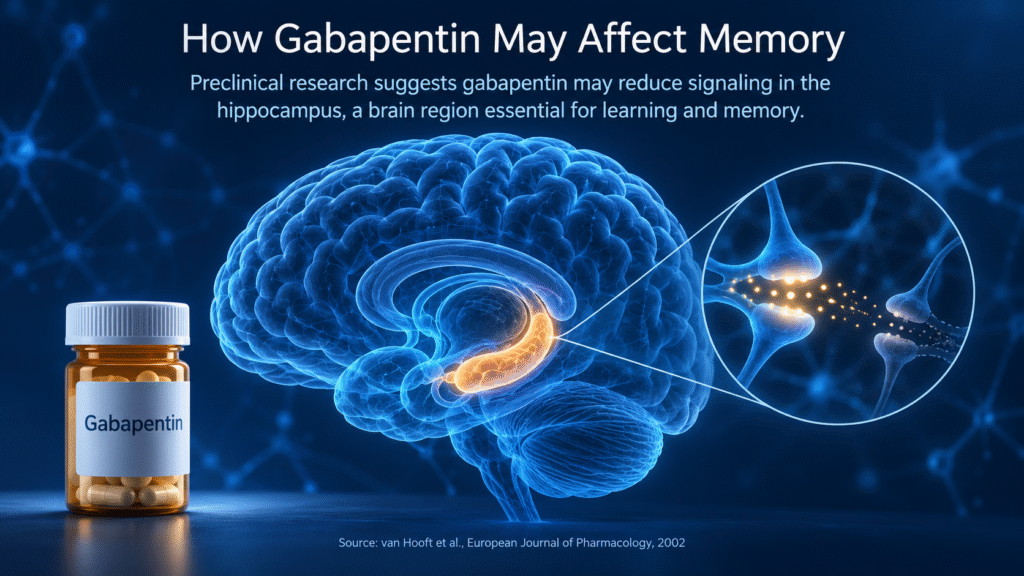
Although the exact mechanism remains under investigation, medical studies have linked gabapentin use to higher rates of mild cognitive impairment and dementia, particularly among individuals receiving repeated prescriptions.
Gabapentin Memory Loss and Cognitive Impairment
Memory loss and cognitive decline can affect an individual’s ability to remember information, concentrate, make decisions and perform everyday activities.
One condition of concern is mild cognitive impairment (MCI), which involves measurable changes in memory or thinking abilities that are more severe than normal age-related forgetfulness but do not necessarily interfere with independent living to the same extent as dementia.
Common symptoms of memory loss and mild cognitive impairment include:
- Frequent Forgetfulness: Difficulty remembering recent conversations, appointments or important information.
- Short-Term Memory Problems: Forgetting recent events or repeatedly asking the same questions.
- Difficulty Concentrating: Trouble following conversations, reading or completing familiar tasks.
- Confusion and Mental Fog: Difficulty thinking clearly or processing new information.
- Problems With Decision-Making: Increasing difficulty planning, organizing or managing responsibilities.
A July 2025 study published in Regional Anesthesia & Pain Medicine found that adults prescribed gabapentin at least six times had an 85% higher relative risk of mild cognitive impairment compared with adults who were not prescribed the medication.
Among adults ages 18 to 64, the study identified an even stronger association, finding 2.5 times the risk of mild cognitive impairment among those prescribed gabapentin.
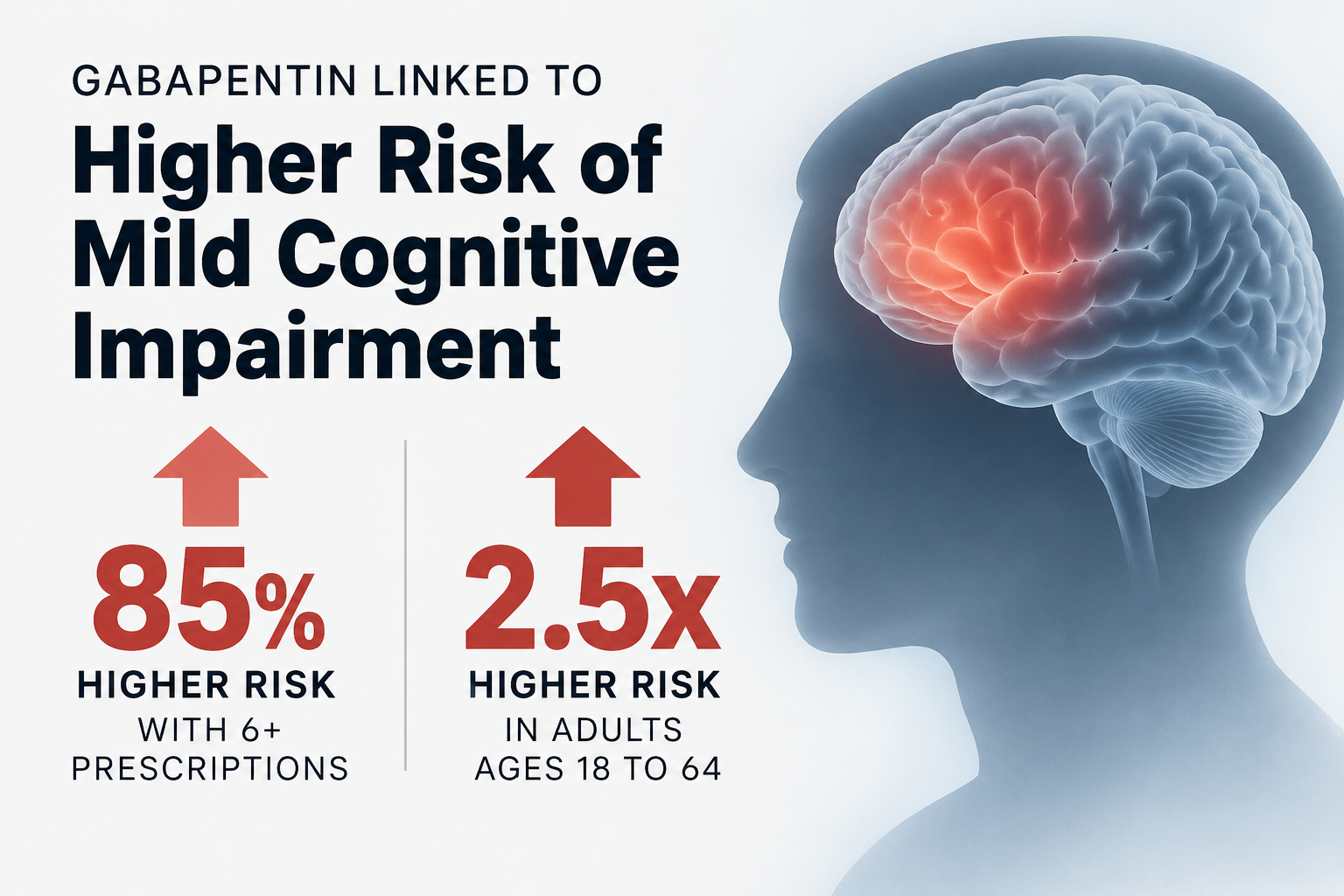
Researchers also found that individuals receiving 12 or more gabapentin prescriptions had higher rates of cognitive impairment than those receiving three to 11 prescriptions, raising concerns about the potential risks of prolonged treatment.
Although mild cognitive impairment does not always progress to dementia, it can be an early indication of more serious cognitive deterioration.
Gabapentin Dementia and Early-Onset Dementia Risks
Dementia is a general term for neurological conditions that cause progressive deterioration in memory, reasoning, judgment and other cognitive abilities, eventually interfering with an individual’s ability to live independently.
Unlike mild cognitive impairment, dementia involves more substantial difficulties performing everyday activities, often requiring assistance from family members or professional caregivers.
Common symptoms of dementia include:
- Progressive Memory Loss: Increasing difficulty remembering recent events, familiar people or important personal information.
- Confusion and Disorientation: Becoming confused about dates, locations or familiar surroundings.
- Difficulty Communicating: Trouble finding words, following conversations or expressing thoughts.
- Impaired Judgment: Difficulty making decisions, managing finances or recognizing dangerous situations.
- Loss of Independence: Increasing difficulty preparing meals, taking medications or performing routine personal care.
- Personality and Behavioral Changes: Changes in mood, behavior or social interactions.
The 2025 gabapentin study found that adults receiving six or more prescriptions had a 29% higher relative risk of dementia compared with those who were not prescribed gabapentin.
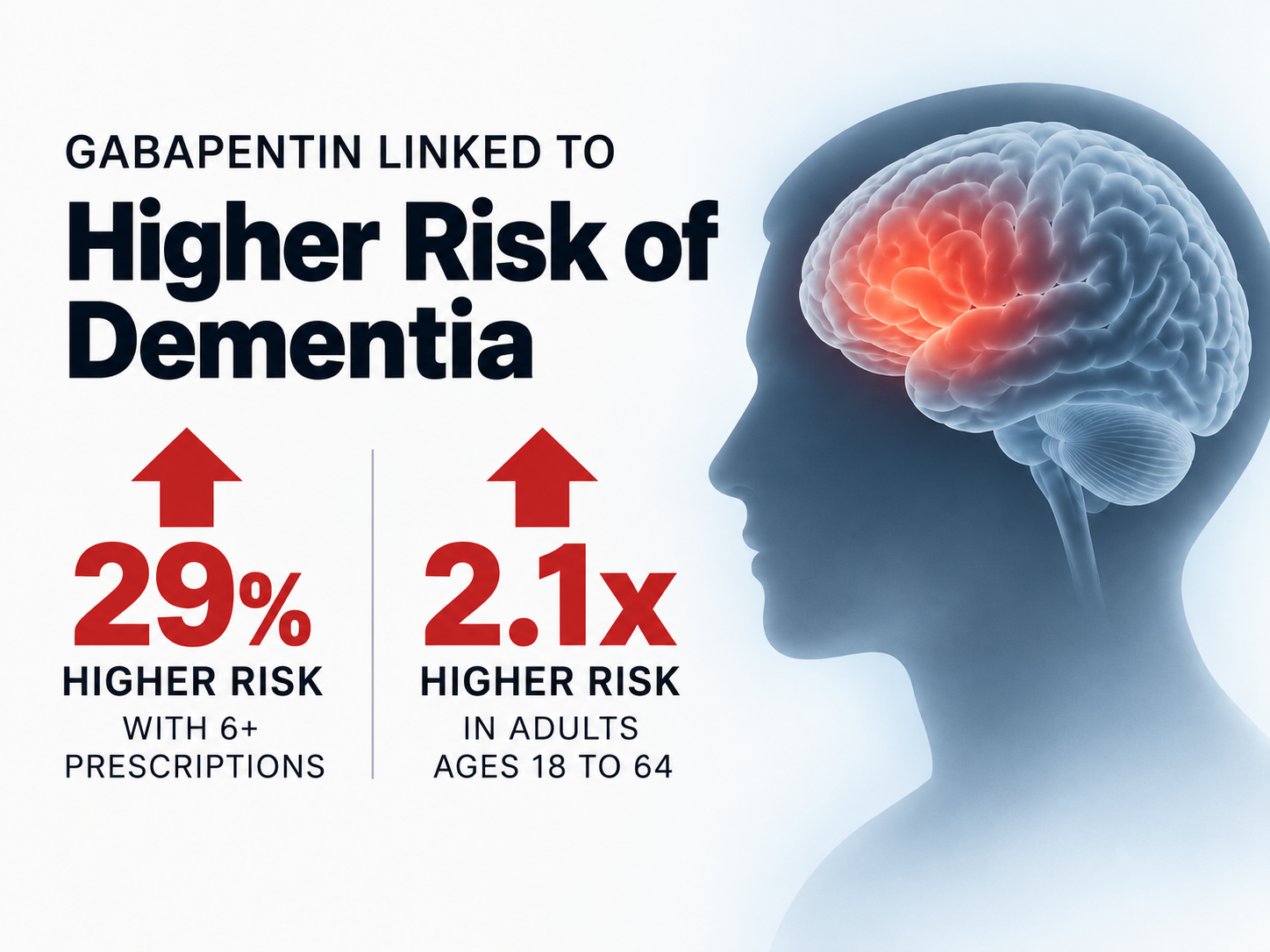
Among adults ages 18 to 64, researchers identified 2.1 times the risk of dementia, with higher rates also observed among individuals who received more frequent prescriptions.
Individuals who develop dementia at a younger age may lose the ability to continue working, support their families or manage their own affairs, creating substantial financial and caregiving burdens.
Gabapentin lawsuits allege that manufacturers failed to adequately warn doctors and consumers about research suggesting that prolonged exposure could increase the risk of dementia.
Gabapentin Alzheimer’s Disease Risk
Alzheimer’s disease is the most common cause of dementia, involving progressive damage to the brain that affects memory, communication, judgment and the ability to perform everyday activities.
While dementia is a general term describing cognitive decline severe enough to interfere with daily life, Alzheimer’s disease is a specific neurological disorder that causes dementia.
Common symptoms of Alzheimer’s disease include:
- Worsening Memory Loss: Forgetting recently learned information, important dates or familiar people.
- Difficulty Completing Familiar Tasks: Problems preparing meals, managing household responsibilities or following routines.
- Language and Communication Problems: Difficulty finding words, following conversations or understanding information.
- Confusion About Time and Place: Becoming lost in familiar locations or losing track of dates and events.
- Changes in Mood or Personality: Increased confusion, anxiety, suspicion or withdrawal from social activities.
- Loss of Independent Functioning: Eventually requiring substantial assistance with personal care and daily living.
As Alzheimer’s disease progresses, affected individuals may require continuous supervision, in-home caregiving or placement in a long-term care facility.
Lyrica Dementia and Memory Loss Side Effects
Lyrica (pregabalin) is a prescription medication used to treat nerve pain, fibromyalgia and certain seizure disorders. Although Lyrica contains a different active ingredient than gabapentin, the medications work in similar ways to reduce nerve signaling, and researchers have raised concerns about their potential effects on memory and cognitive function.
While temporary confusion, difficulty concentrating and memory problems are recognized concerns with medications affecting the central nervous system, recent research has also identified an association between Lyrica’s active ingredient and an increased risk of dementia.
Study Links Lyrica and Gabapentin to Increased Dementia Risk
A May 2023 study published in Frontiers in Pharmacology examined medical records involving 206,802 individuals to investigate whether gabapentin or pregabalin use was associated with a higher risk of developing dementia.
Researchers compared 34,467 individuals exposed to either medication with 172,335 individuals who were not prescribed the drugs. The study found that those exposed to gabapentin or pregabalin had a 45% higher adjusted hazard of dementia compared with the unexposed group.
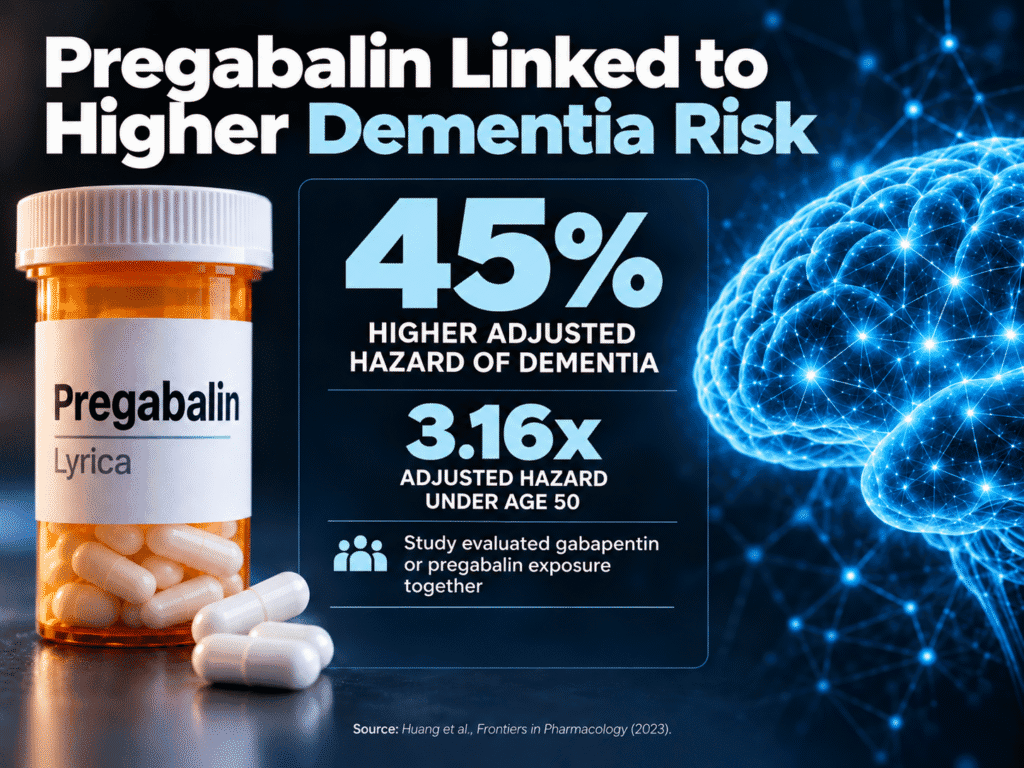
The association was particularly pronounced among younger adults. Individuals under age 50 who were exposed to either medication had approximately 3.16 times the adjusted hazard of dementia, compared with individuals in the same age group who were not exposed.
Researchers also found that dementia risk increased with greater cumulative exposure to the medications, raising concerns about the potential long-term cognitive effects of repeated treatment.
Other Gabapentin Side Effects
Gabapentin affects the central nervous system and can cause a range of neurological and physical side effects. While some problems may be temporary or improve after treatment changes, others can significantly interfere with everyday activities.
In addition to the potential cognitive risks being investigated in gabapentin dementia lawsuits, recognized and reported side effects include:
- Dizziness and lightheadedness
- Drowsiness and excessive sleepiness
- Fatigue and weakness
- Confusion and difficulty concentrating
- Memory problems and mental fog
- Difficulty with balance and coordination
- Unsteady walking and increased risk of falls
- Blurred or double vision
- Tremors and involuntary movements
- Nausea and vomiting
- Swelling of the hands, legs or feet
- Mood changes and unusual behavior
- Serious breathing problems, particularly when combined with opioids or other central nervous system depressants
Some of these side effects can affect cognition and resemble symptoms of mild cognitive impairment, making it important to distinguish temporary medication-related problems from progressive neurological conditions.
Individuals experiencing persistent memory problems, confusion or other cognitive symptoms while taking gabapentin should discuss those changes with their healthcare provider. Gabapentin should not be stopped abruptly without medical guidance, particularly when used to treat seizures.
Gabapentin Lawsuit Allegations
Gabapentin lawsuits allege that Pfizer and other pharmaceutical manufacturers failed to adequately investigate and warn about the potential risk of dementia, Alzheimer’s disease and serious cognitive impairment associated with prolonged use of the prescription medication.
The lawsuits claim that manufacturers promoted gabapentin for chronic pain and other off-label conditions, while failing to provide doctors and consumers with adequate information about the potential long-term effects on memory and cognitive function.
Specific allegations raised in gabapentin dementia lawsuits include:
- Failure to Warn: Manufacturers allegedly failed to adequately warn doctors and consumers about the potential increased risk of dementia, mild cognitive impairment and other neurological injuries.
- Inadequate Safety Testing: Lawsuits claim manufacturers failed to conduct sufficient research into the long-term effects of repeated gabapentin use on brain function.
- Failure to Update Warning Labels: Manufacturers allegedly failed to revise prescribing information to address emerging research linking gabapentin to cognitive decline.
- Improper Drug Marketing: Lawsuits raise concerns about the promotion of gabapentin for chronic pain and other off-label uses without adequately investigating the medication’s long-term neurological risks.
- Failure to Monitor Safety Risks: Manufacturers allegedly failed to adequately evaluate and respond to information suggesting that frequent gabapentin use may be associated with dementia and cognitive impairment.
Individuals who develop mild cognitive impairment, dementia or serious cognitive impairment after taking gabapentin should contact a product liability lawyer as soon as possible to determine the applicable deadline and whether they may qualify to file a gabapentin lawsuit.
Gabapentin Lawsuit Settlement and Compensation
Individuals who developed dementia, Alzheimer’s disease or serious cognitive impairment after taking gabapentin may be entitled to financial compensation through a product liability lawsuit against the drug manufacturer.
There is currently no established average gabapentin lawsuit settlement amount or confirmed compensation range for individuals diagnosed with dementia or cognitive impairment.
However, claims involving permanent neurological injuries may involve substantial damages, particularly when an individual develops early-onset dementia, loses the ability to work or requires lifelong care.
For example, someone diagnosed with dementia during their 40s or 50s may face decades of lost income and ongoing medical expenses, while older individuals may require expensive in-home assistance or nursing home placement.
The amount of compensation available will depend on the severity of the injury, the financial losses involved, the need for future care and the evidence establishing the manufacturer’s legal responsibility.
What Compensation Is Available in a Gabapentin Lawsuit?
Dementia and other serious neurological conditions can prevent individuals from working, managing their finances or living independently, often placing significant financial and emotional burdens on their families.
Gabapentin lawsuits seek compensation for these injuries and the resulting losses, which may include:
- Medical Expenses: Costs associated with neurological evaluations, diagnostic testing, medications and ongoing medical treatment.
- Long-Term Care Costs: Expenses for nursing homes, assisted living facilities, in-home caregivers and other specialized assistance.
- Lost Income: Wages and employment benefits lost when cognitive impairment prevents an individual from continuing to work.
- Future Lost Earnings: Income an individual would have earned if the neurological injury had not occurred.
- Pain and Suffering: Emotional distress, mental anguish and other consequences of serious cognitive decline.
- Loss of Independence: Damages associated with the inability to perform everyday activities, maintain relationships or enjoy a normal quality of life.
Individuals and families affected by dementia or serious cognitive impairment after taking gabapentin can contact Saiontz & Kirk to determine whether they may qualify for financial compensation.
How to File a Gabapentin Lawsuit
Individuals diagnosed with dementia, Alzheimer’s disease or serious cognitive impairment after taking gabapentin are encouraged to contact Saiontz & Kirk to determine whether they qualify to file a gabapentin lawsuit.
Our lawyers will review the individual’s medical history, gabapentin prescriptions, neurological diagnosis and other circumstances to identify which manufacturers may be responsible and whether financial compensation can be pursued.
A formal dementia diagnosis, prescription history and medical records documenting cognitive symptoms may be important in determining whether a viable gabapentin injury claim exists.
Can Family Members File a Gabapentin Lawsuit?
Yes, family members may be able to pursue a gabapentin lawsuit on behalf of a loved one who developed dementia, Alzheimer’s disease or serious cognitive impairment and can no longer manage their own legal affairs. Depending on state law, a spouse, adult child, legal guardian or other authorized representative may be able to file a claim seeking compensation for medical expenses, long-term care and other losses.
Saiontz & Kirk can review potential claims even if family members do not have all of their loved one’s prescription records or medical documentation.
How Long Do I Have to File a Gabapentin Lawsuit?
Every state has a statute of limitations that establishes deadlines for filing personal injury and wrongful death lawsuits. Individuals who developed dementia, Alzheimer’s disease or serious cognitive impairment after taking gabapentin may have a limited amount of time to pursue financial compensation.
Determining when the deadline begins can be complicated because cognitive decline may develop gradually, and individuals may not receive a dementia diagnosis until years after they started taking gabapentin. The applicable filing deadline may depend on:
- The state where the individual lives or where the claim can be filed
- When gabapentin was prescribed and how long it was taken
- When dementia, Alzheimer’s disease or mild cognitive impairment was diagnosed
- When the individual knew or reasonably should have known their cognitive injuries may be related to gabapentin use
- Whether the claim involves personal injury or wrongful death
- Other state-specific statute of limitations and discovery rules
Anyone diagnosed with dementia or serious cognitive impairment after taking gabapentin should contact a product liability lawyer as soon as possible to determine the applicable deadline and whether they may qualify to file a gabapentin lawsuit.
Are There Any Costs to Hire a Gabapentin Lawyer?
There are absolutely no out-of-pocket costs to review your case or hire our attorneys. Potential claims are evaluated for individuals throughout the United States, and all cases are handled on a contingency fee basis.
Through the use of contingency attorney fees, individuals have access to the experience and resources of our national law firm for their gabapentin lawsuit — regardless of their individual financial resources.
You pay nothing up front to hire our lawyers, and we only receive an attorney fee or expenses out of the money that is obtained from the manufacturers. Our law firm receives nothing unless we win your case!
What are the steps in a gabapentin dementia case evaluation?
Complete Our Case Evaluation Request Form. Provide your contact information, and information on your gabapentin use and diagnosis.
Get Contacted by Saiontz & Kirk. You will be contacted by our law firm to discuss the details of your case and to determine whether financial compensation may be available for you and your family.
You Decide If You Want to Move Forward. If our lawyers determine that we can help with your case, then you decide whether to move forward and hire us to pursue compensation.
FIND OUT IF YOU QUALIFY FOR A GABAPENTIN LAWSUIT SETTLEMENT
Gabapentin Lawsuit FAQs
Can I File a Gabapentin Lawsuit If I Took Neurontin Years Ago?
Yes, individuals who previously took Neurontin or generic gabapentin may qualify for a gabapentin lawsuit if they subsequently developed dementia, Alzheimer’s disease or mild cognitive impairment. The timing of gabapentin use, cognitive symptoms and diagnosis will be important when determining whether a claim can be pursued.
Does Neurontin Cause Dementia or Alzheimer’s Disease?
Neurontin is the brand name for gabapentin, an anti-seizure medication also prescribed for nerve pain. Recent research has identified an association between gabapentin use and an increased risk of dementia and cognitive impairment, although the studies have not established that Neurontin directly causes dementia or Alzheimer’s disease.
Are There Neurontin Lawsuits for Memory Loss and Cognitive Decline?
Neurontin lawsuits are being pursued against Pfizer for failing to adequately warn about the risks of dementia, mild cognitive impairment and other serious neurological injuries associated with gabapentin use. Saiontz & Kirk is reviewing potential claims involving individuals who developed serious cognitive problems after taking Neurontin or certain other gabapentin medications.
Do I Need a Dementia Diagnosis to Qualify for a Gabapentin Lawsuit?
Gabapentin lawsuit lawyers are reviewing potential claims involving individuals diagnosed with mild cognitive impairment (MCI), including those who experienced serious memory problems or cognitive decline after taking gabapentin. Temporary forgetfulness or confusion without a confirmed neurological diagnosis may not be sufficient to support a claim.
Can I File a Lawsuit After Taking Generic Gabapentin?
Individuals prescribed generic gabapentin for nerve pain, seizures or chronic pain may request a free legal evaluation. However, federal drug-labeling laws may limit certain claims against generic manufacturers, making the specific medication, manufacturer and medical history important factors in determining whether a lawsuit can be pursued.
How Many Gabapentin Prescriptions Are Needed to Qualify for a Lawsuit?
There is no established minimum number of gabapentin prescriptions required to file a lawsuit. However, a 2025 study published in Regional Anesthesia & Pain Medicine found that adults receiving six or more prescriptions had an 85% higher relative risk of mild cognitive impairment and a 29% higher relative risk of dementia compared with those who were not prescribed gabapentin.
Can I File a Gabapentin Lawsuit for a Parent Diagnosed With Alzheimer’s Disease?
Adult children may be able to pursue a gabapentin dementia lawsuit on behalf of a parent diagnosed with Alzheimer’s disease or another serious cognitive condition. Depending on state law, a legal guardian or other authorized representative may be able to file a claim when the affected individual can no longer manage their own legal affairs.
Is There a Gabapentin Class Action Lawsuit?
Gabapentin dementia lawsuits are being pursued against Pfizer and other pharmaceutical manufacturers over allegations that Neurontin and other gabapentin medications may increase the risk of dementia and mild cognitive impairment. Although there is currently no established gabapentin class action lawsuit for these injuries, individuals diagnosed with serious cognitive problems may be able to pursue individual product liability claims seeking financial compensation.
Can I File a Lyrica Lawsuit for Dementia or Alzheimer’s Disease?
Saiontz & Kirk is investigating potential Lyrica lawsuits for individuals diagnosed with dementia, Alzheimer’s disease or serious cognitive impairment after taking pregabalin. Medical research has identified an increased dementia risk among individuals exposed to gabapentin or pregabalin, although researchers have not established that either medication causes dementia.
Is Lyrica the Same as Gabapentin or Neurontin?
No. Neurontin contains gabapentin, while Lyrica contains pregabalin, a different but closely related prescription medication. Both drugs are used to treat nerve pain and certain seizure disorders, although Lyrica has additional FDA-approved uses for fibromyalgia, diabetic nerve pain and nerve pain associated with spinal cord injuries.
Start A Gabapentin Lawsuit Case Review Today
If you or a loved one developed dementia, Alzheimer’s disease or serious cognitive impairment after taking gabapentin or Neurontin, you may be entitled to financial compensation.
Saiontz & Kirk is investigating gabapentin lawsuits for individuals who suffered serious cognitive injuries after taking the prescription medication. Contact our gabapentin lawsuit lawyers today at 1-800-522-0102 or complete our free case evaluation form to find out if you qualify.
There are no upfront costs and no legal fees unless compensation is recovered.
Real results. Real reviews.
Here’s what our clients have to say.
