
Zantac Breast Cancer Cases Reviewed Nationwide
Millions of women used Zantac (ranitidine) for the treatment of heartburn and acid reflux. Although drug makers marketed the medication as safe and effective, later evidence suggested that the active ingredient could convert into a toxic chemical byproduct known as N-Nitrosodimethylamine (NDMA).
This potent carcinogen may have increased the risk of various forms of breast cancer from Zantac side effects, including:
- Ductal Carcinoma In Situ
- Invasive Ductal Carcinoma
- Invasive Lubular Carcinoma
- Inflammatory Breast Cancer
- Lubular Carcinoma In Situ
- Metastatic Breast Cancer
Zantac breast cancer claims were reviewed on a contingency fee basis, meaning no out-of-pocket costs were required to pursue a case, and legal fees were only collected if a settlement or recovery was obtained.
Zantac and Breast Cancer Risk
Zantac (ranitidine) was introduced in 1983 as the first drug in a new class of medications known as histamine H2-receptor antagonists (H2 blockers). It was widely marketed as a safe and effective treatment for heartburn, acid indigestion, sour stomach, gastroesophageal reflux disease (GERD), and other related conditions. However, subsequent findings raised concerns that Zantac side effects may include serious cancer risks, including an increased likelihood of breast cancer.
The active ingredient, ranitidine, has a molecular structure that may react with itself under certain conditions. This instability can lead to the formation of N-Nitrosodimethylamine (NDMA), a chemical classified as a probable human carcinogen. NDMA formation can occur during storage or transport—particularly at elevated temperatures—or inside the human body.
NDMA has been recognized for decades as a cancer-causing agent. Despite this, drug manufacturers allegedly failed to conduct adequate safety research or issue proper warnings to consumers and the medical community regarding the potential cancer risks associated with Zantac.
Some experts have suggested that even relatively short-term exposure to NDMA through Zantac may contribute to the development of breast cancer and other cancers.
- Breast Cancer
- Pancreatic Cancer
- Prostate Cancer
- Stomach Cancer
- Esophageal Cancer
- Liver Cancer
- Kidney Cancer
- Bladder Cancer
- Colorectal Cancer
- Lung Cancer
Zantac Recall Issued For All Versions of Ranitidine in April 2020
Between September 2019 and early 2020, a number of individual ranitidine-based drugs were removed from the market, as manufacturers confirmed that unacceptable levels of NDMA were detected in pills.
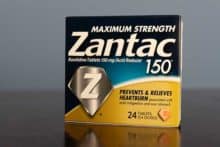 These actions came after a Citizen’s Petition (PDF) called for the FDA to recall Zantac, due to the discovery that high levels of NDMA were in Zantac and generic ranitidine pills manufactured by many different drug makers.
Following months of speculation, the FDA requested that all manufacturers issue Zantac recalls in April 2020, after determining that the continued sale of the medication posed an unreasonable risk for consumers.
Since the the NDMA levels in Zantac can increase over time, particularly when the drug is stored at higher temperatures, the regulatory agency determined that it was necessary to remove all forms of Zantac from the market.
NDMA Breast Cancer Side Effects from Zantac
For decades NDMA has been known to increase the risk of humans, and the only current use of the chemical is to induce tumors in lab rats during clinical studies.
While research on the link between Zantac and breast cancer is continuing, prior studies have established that the drug makers knew or should have known about this potential risk, yet withheld warnings from consumers and the medical community.
In 2018, a study published in the medical journal Cancer Epidemiology, Biomarkers & Prevention examined the relationship between breast cancer and H2 Blockers like Zantac (ranitidine).
While researchers concluded generally that the class of medications does not increase the risk of breast cancer, serious concerns were highlighted about the potential Zantac risks. The study concluded that use of ranitidine may increase the risk of hormone-receptor-positive ductal carcinoma breast cancer, calling for further studies to be conducted.
Although the manufacturers knew or should have known about this potential link, no warnings were provided to users or the medical community at the time.
No Fees or Expenses Unless You Receive a Zantac Breast Cancer Settlement
Saiontz & Kirk is a nationally recognized injury law firm focused exclusively on representing individuals. The firm does not represent corporations or insurance companies.
Over the course of more than 50 years, clients of the firm have recovered over $1 billion in compensation through cases involving product liability, medical malpractice, automobile accidents, and other personal injury claims.
Zantac breast cancer lawsuits, along with other cancer-related claims involving ranitidine, were handled on a contingency fee basis, meaning there were no out-of-pocket costs to hire the firm, and no legal fees were charged unless a financial recovery was obtained.
In addition to breast cancer, individual claims were also investigated for individuals diagnosed with:
- Prostate Cancer
- Pancreatic Cancer
- Esophageal Cancer
- Bladder Cancer
- Stomach Cancer
- Colorectal Cancer
- Liver Cancer
- Kidney Cancer
- Lung Cancer